I am a designer, technologist, and educator whose practice spans product, art, and pedagogy, translating early concepts into realized, public-facing work.
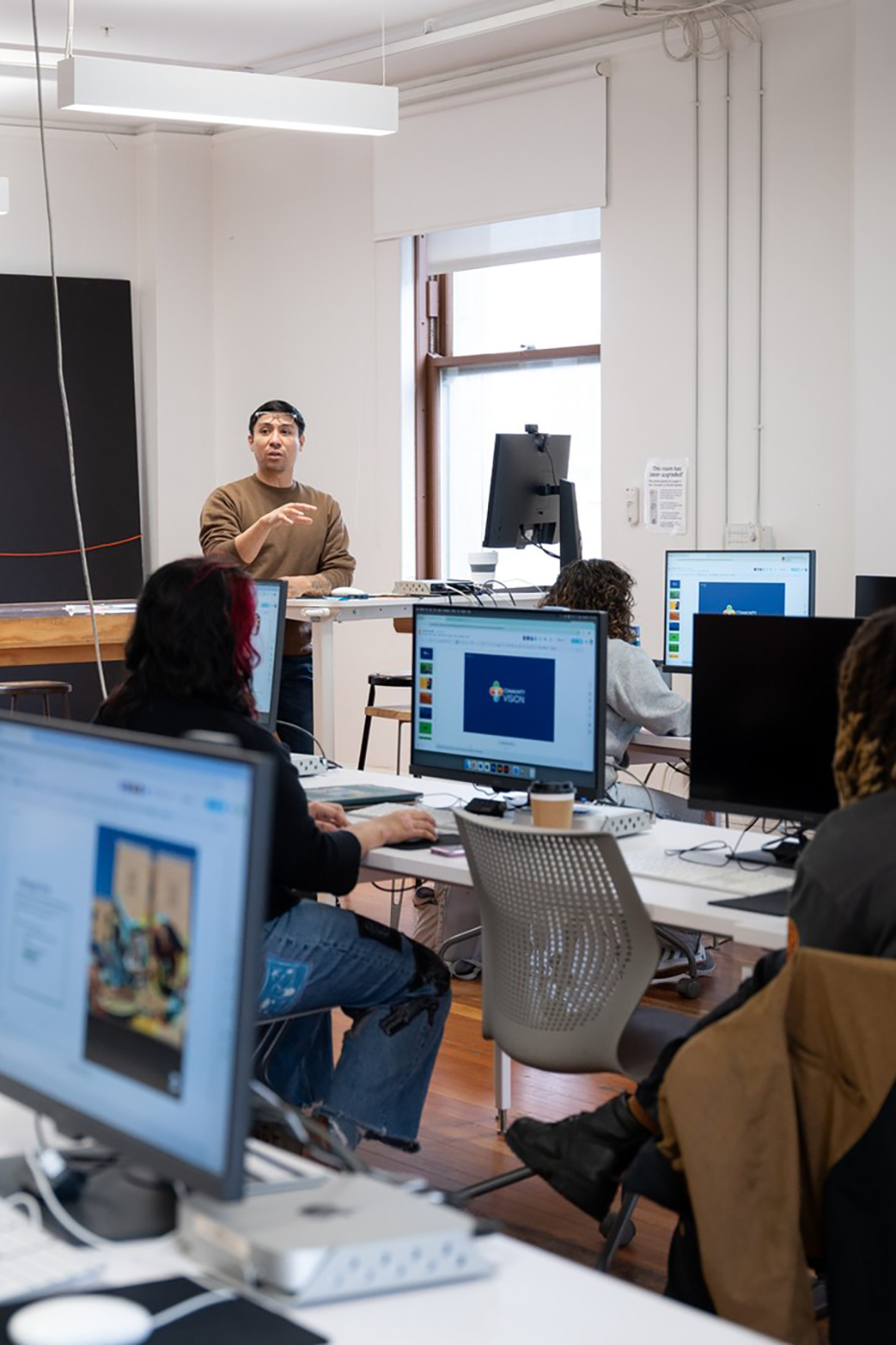
Committed to shaping ideas, interactions, and emerging technologies into human-centered, purpose-driven experiences.
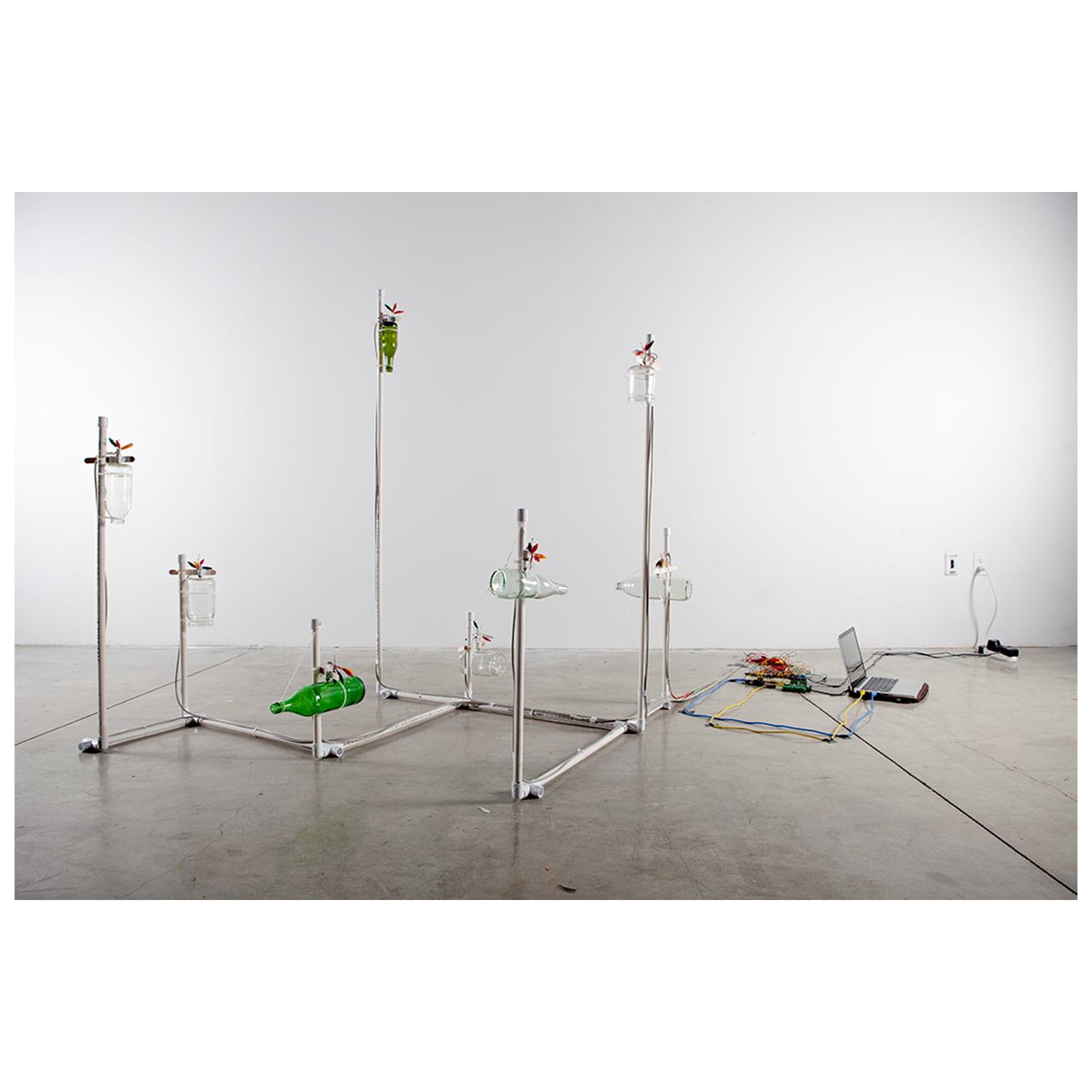
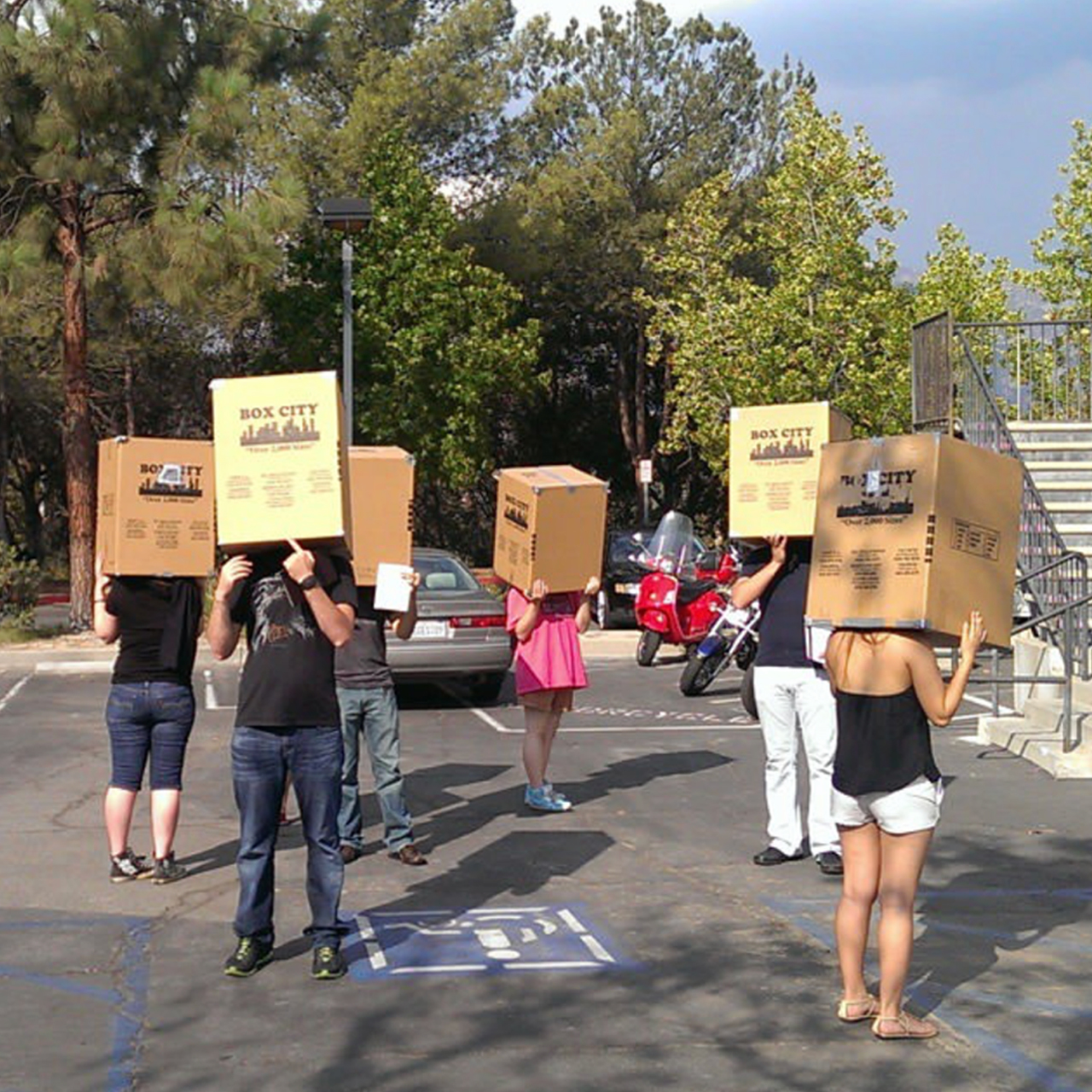
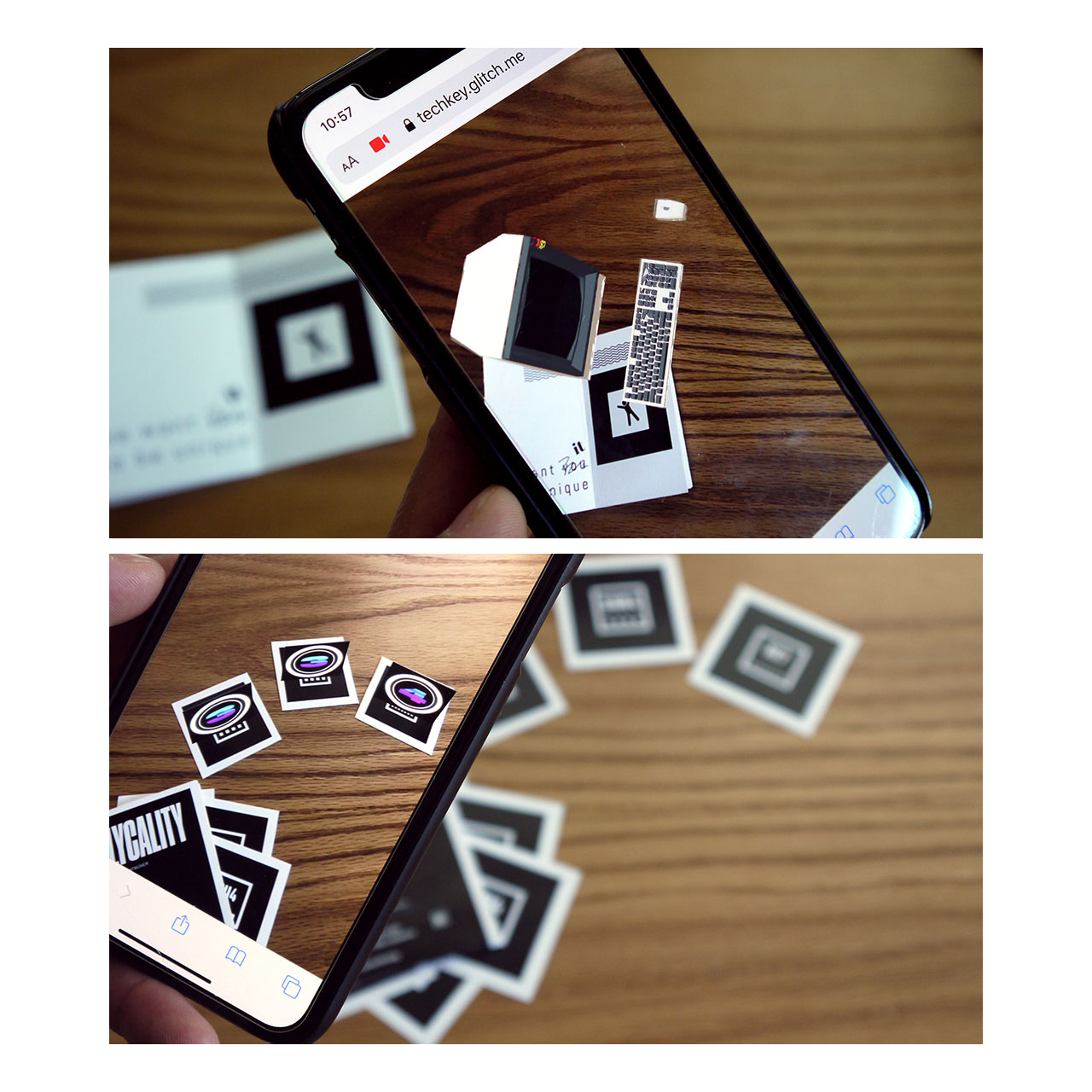
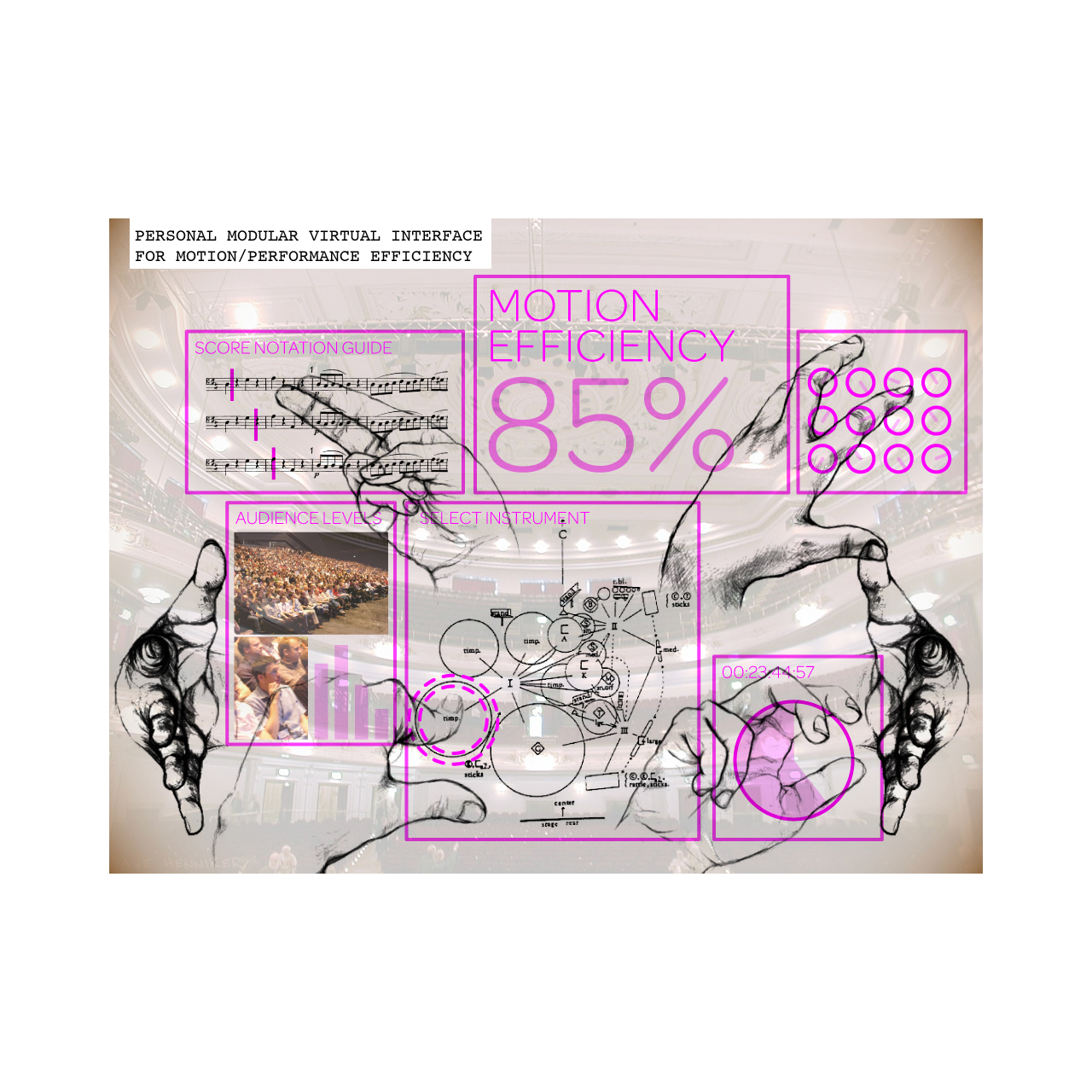
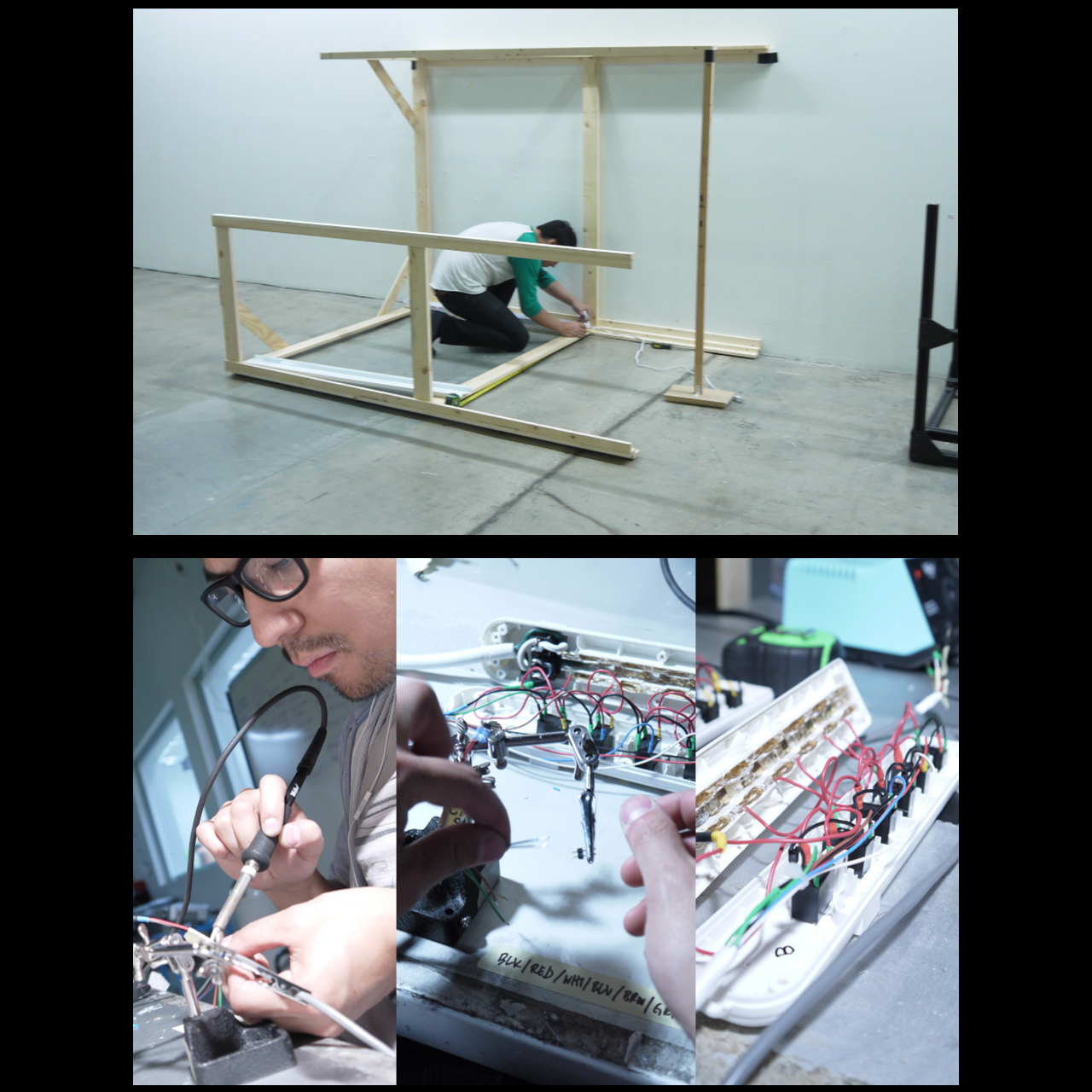
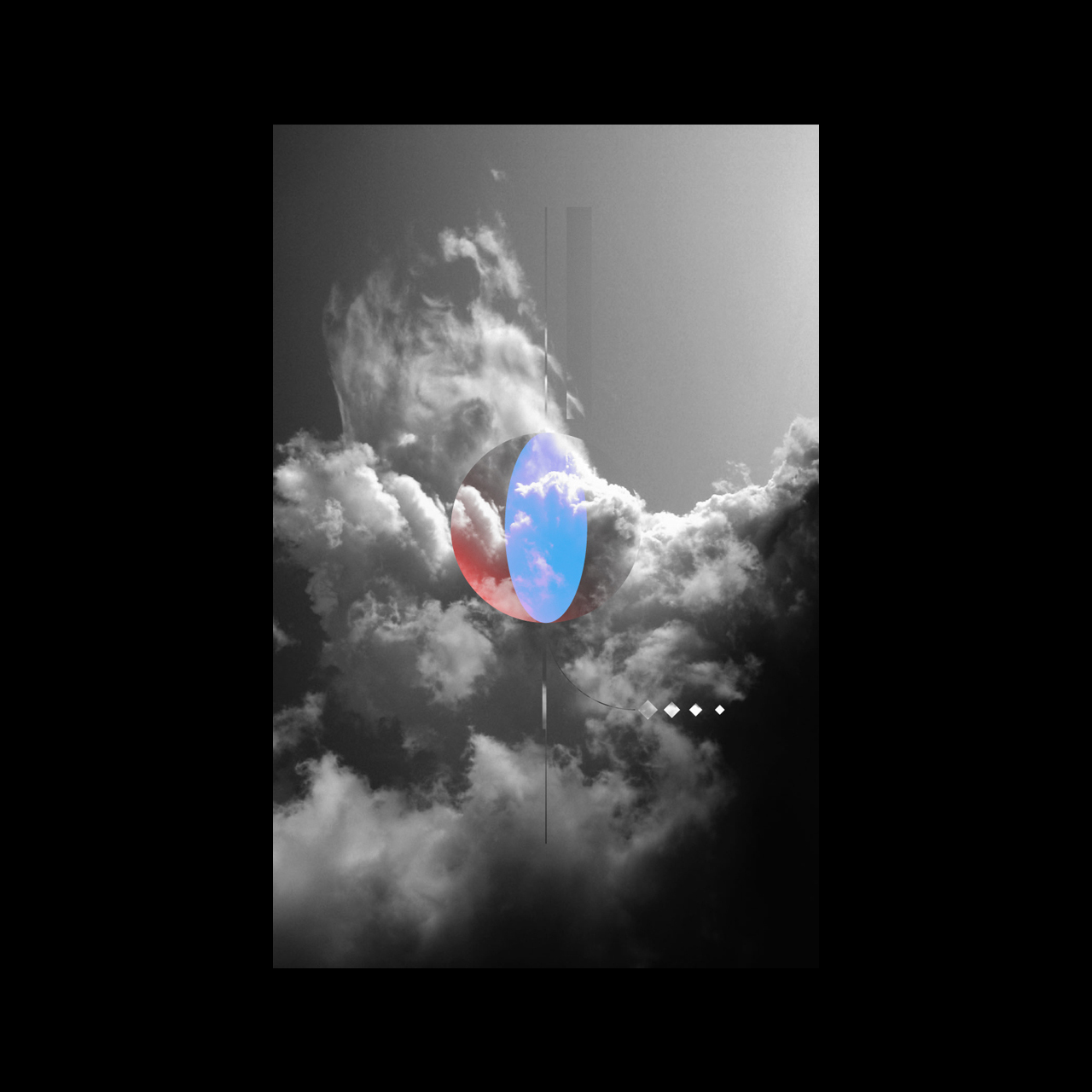
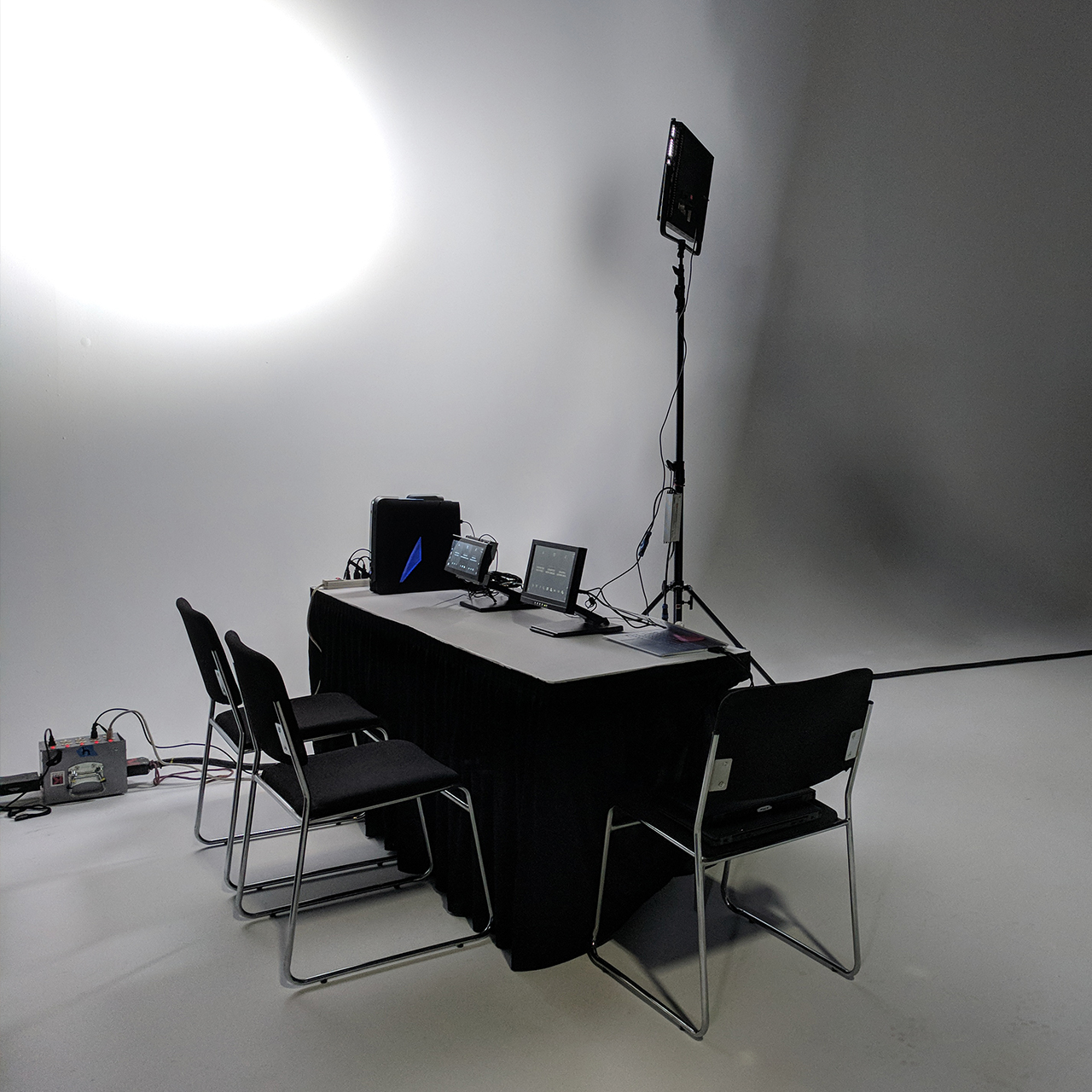
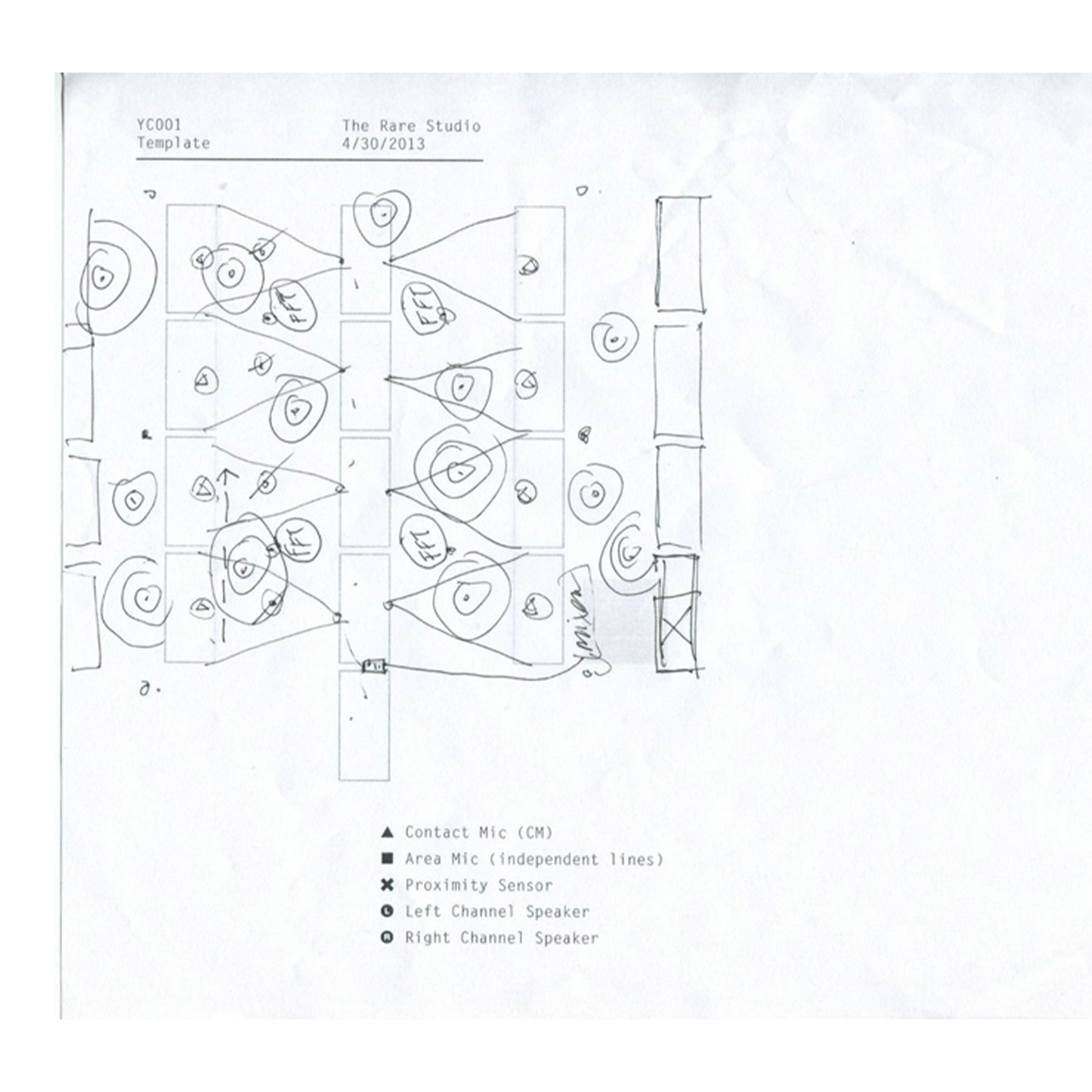
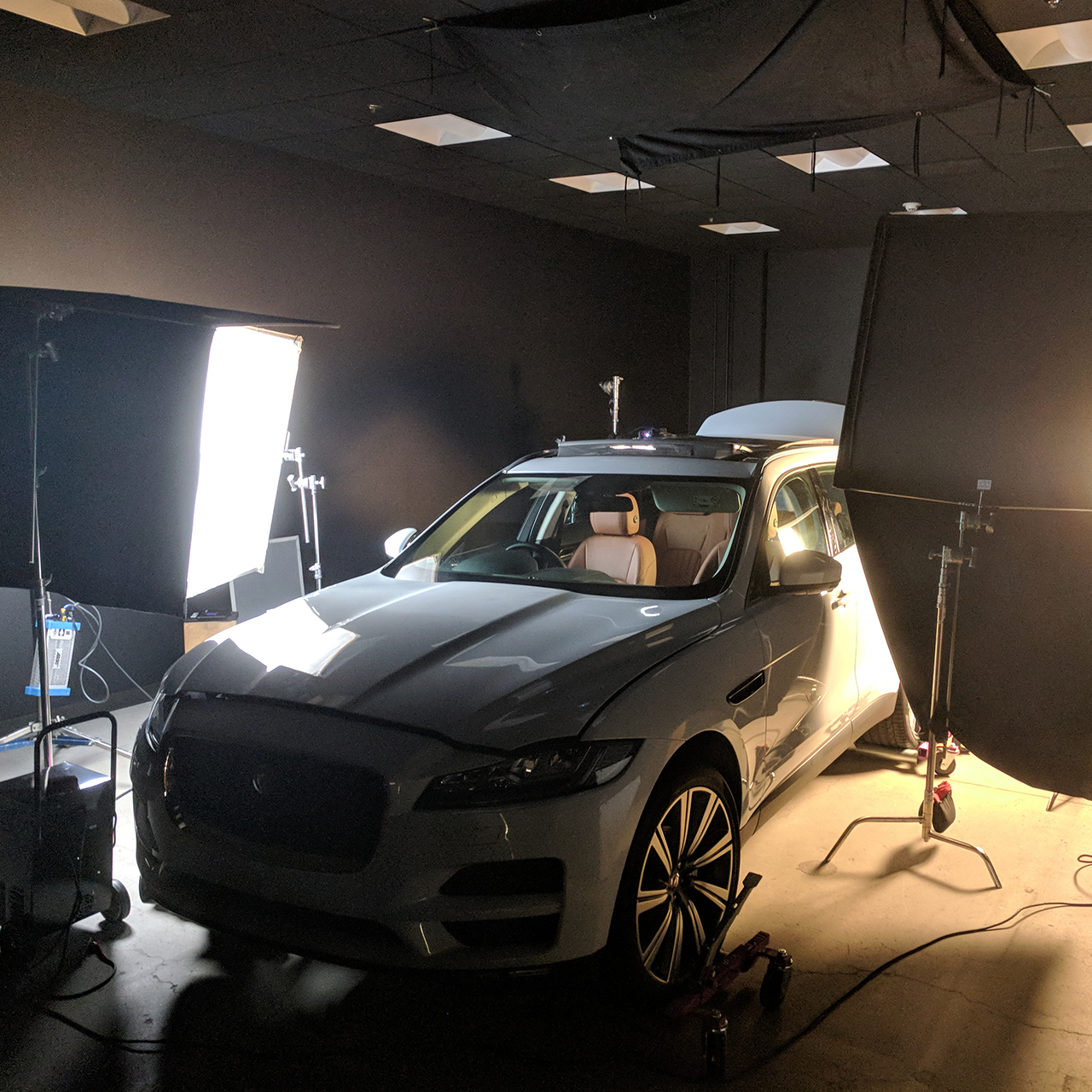
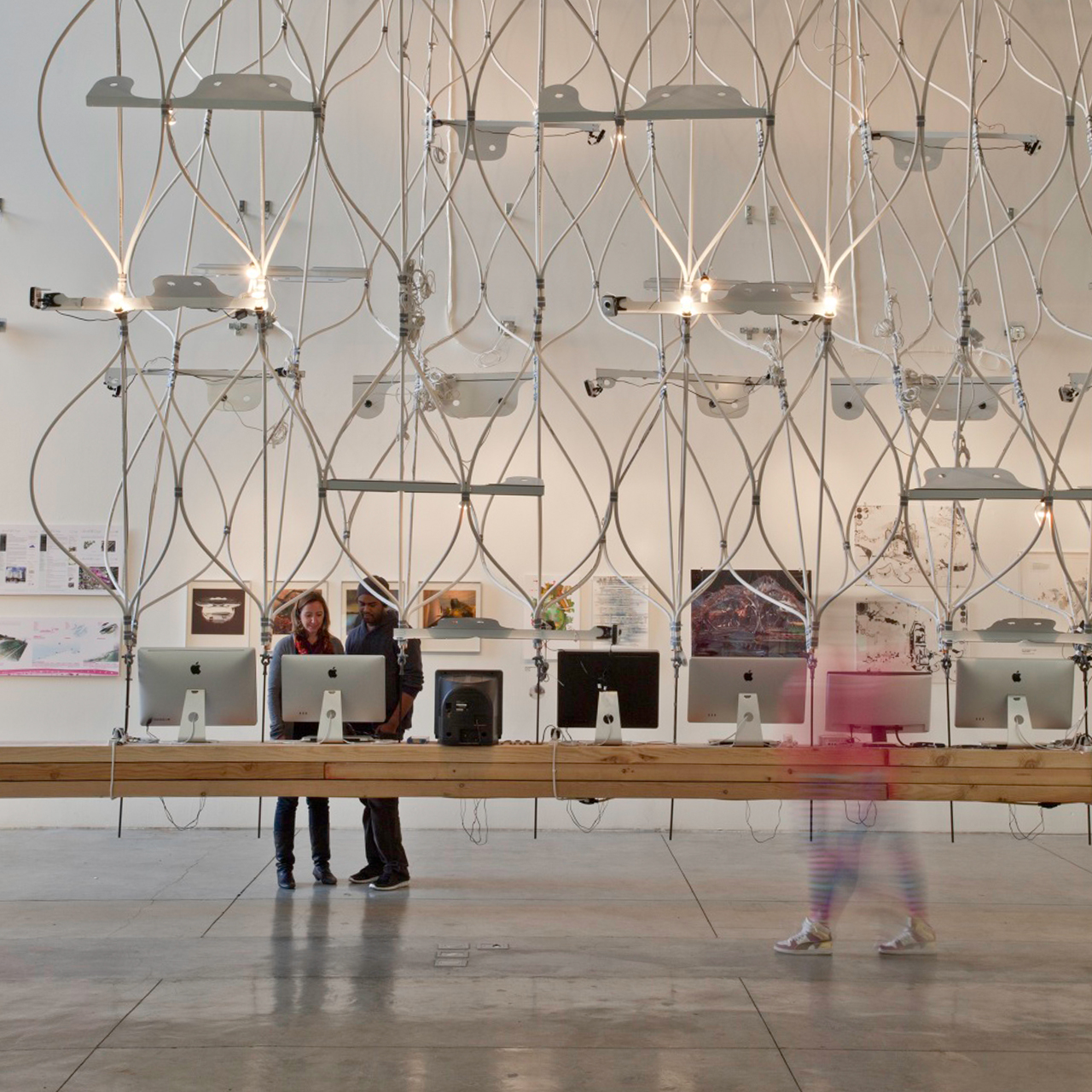
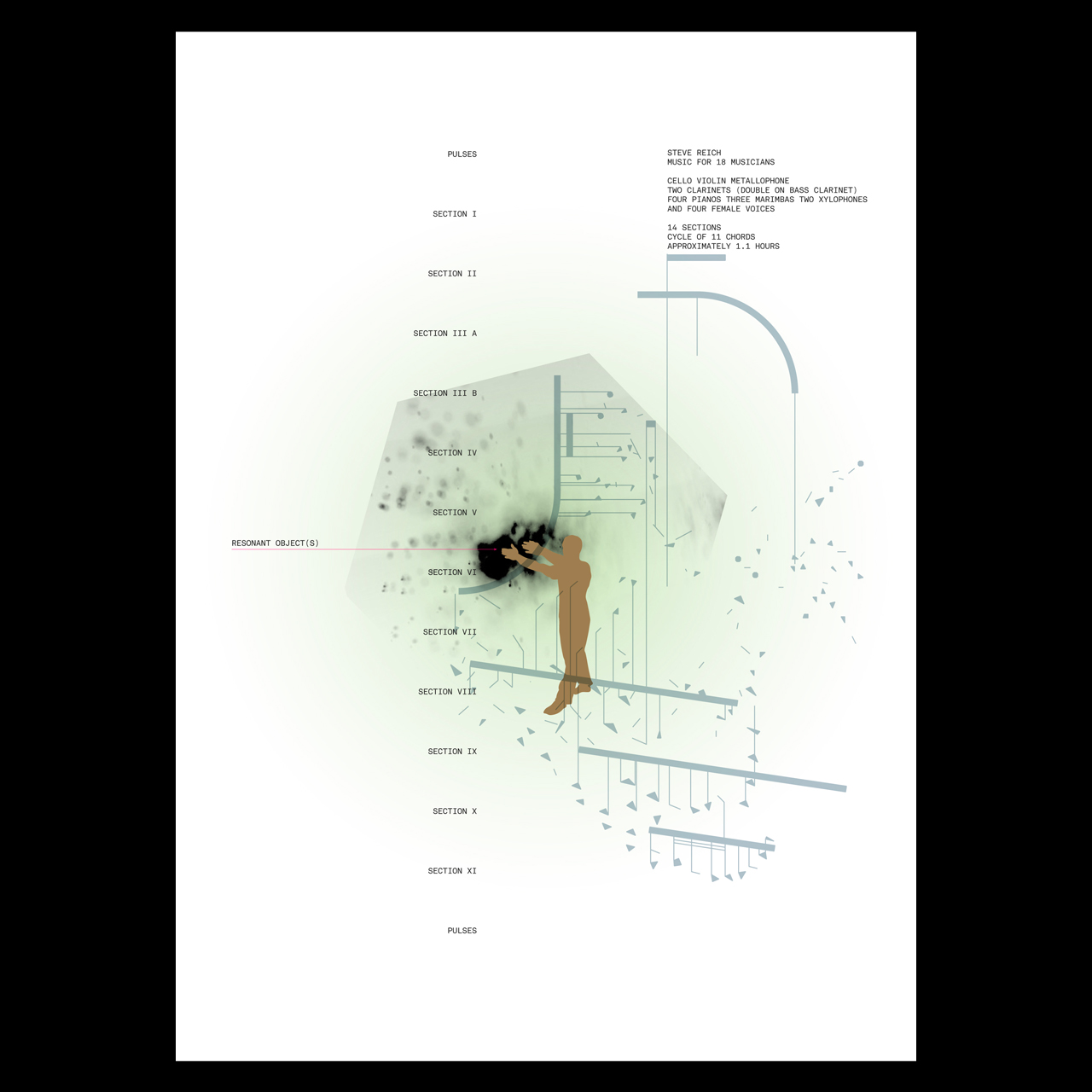
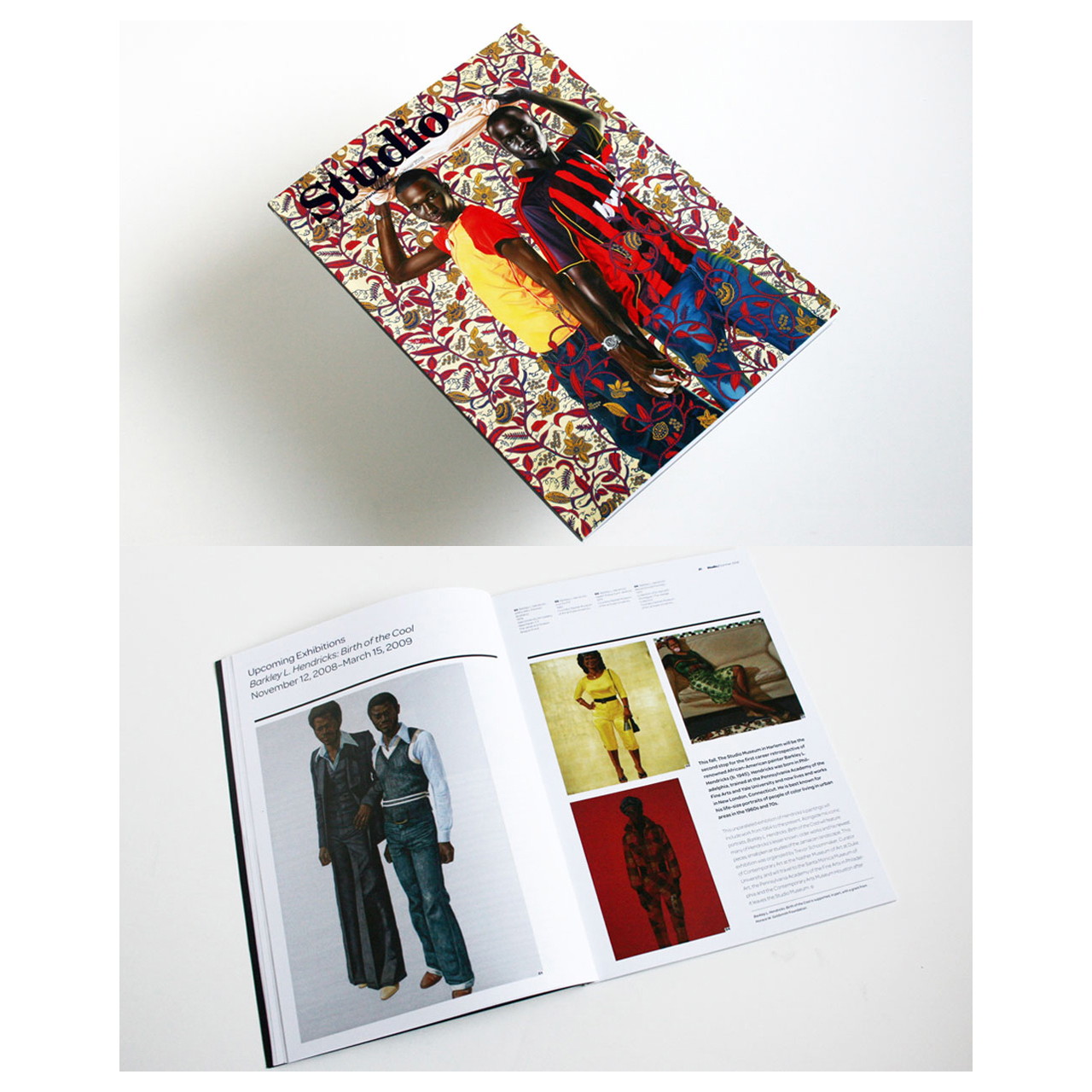
I started as a designer in a small studio, building brands across multimodal platforms, then moved into academic design research and critical technology, and I spent some time as a design leader for luxury automotive manufacturer. For the last decade and a half or so I've blended that research with practice across studios, universities, and the automotive industry. No matter the context, the challenge has always been the same: make it real.
Discursive design, technology, and mentorship aren't three separate interests, they're one practice seen from different angles. A discursive design mindset shapes the questions I start with, technology is where those questions get tested against the real world, and mentorship is how the thinking outlives any one project I'm on.
Discursive Design
I think a lot about who design education assumes you already are, fluent in critique, comfortable with ambiguity, familiar with the unwritten rules of a studio. Some students arrive already speaking that language. Others have to learn it from scratch, in public. I don't think that's a disadvantage. The instinct to question a brief instead of accepting it at face value is a discursive design mindset, and it's closer to the center of how I think about design than my degrees are. This thinking now underpins a published book chapter, and it still shapes how I bring design thinking into rooms that were never meant to be design rooms, nursing programs, engineering capstones, or business classrooms.
Technology & Friction
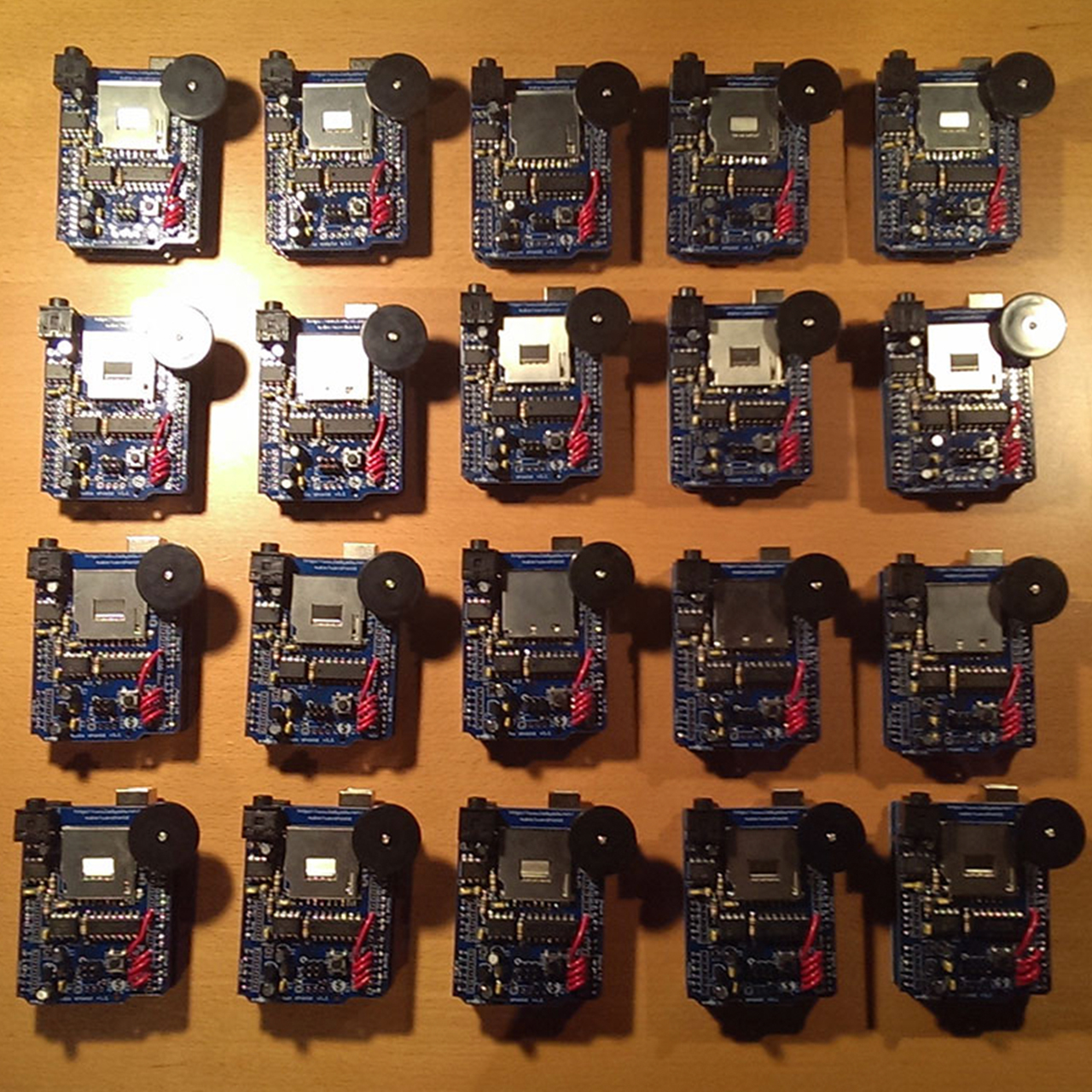
Most new technology arrives with its value already assumed: faster, smarter, more connected, obviously good. Early exposure to critical and speculative design in grad school left me more interested in the prototype that asks whether something should exist before it asks how well it works. That instinct is where the Affection Research Lab started, research into how constant device use reshapes attention, using noise and friction as design material rather than something to smooth away. I've spent most of my career building the technology I'm describing, UX strategy, front-end products, AI-integrated curricula, but I try to build it on purpose, not by accident.
Mentorship
If I look at what actually repeats across twenty-five years, it isn't a design specialty, it's handing things off. Apprentices at my studio who became UX and UI designers. Board directors I mentored into leading further than I had. Students whose thesis work I now cite. I think the measure of a good mentor is how replaceable they've made themselves: build the conditions where someone else can find the answer, then get out of the way. There's no single portfolio piece called 'mentorship,' just a long list of other people's outcomes I had a hand in, and it's the part of the work I'm proudest of.
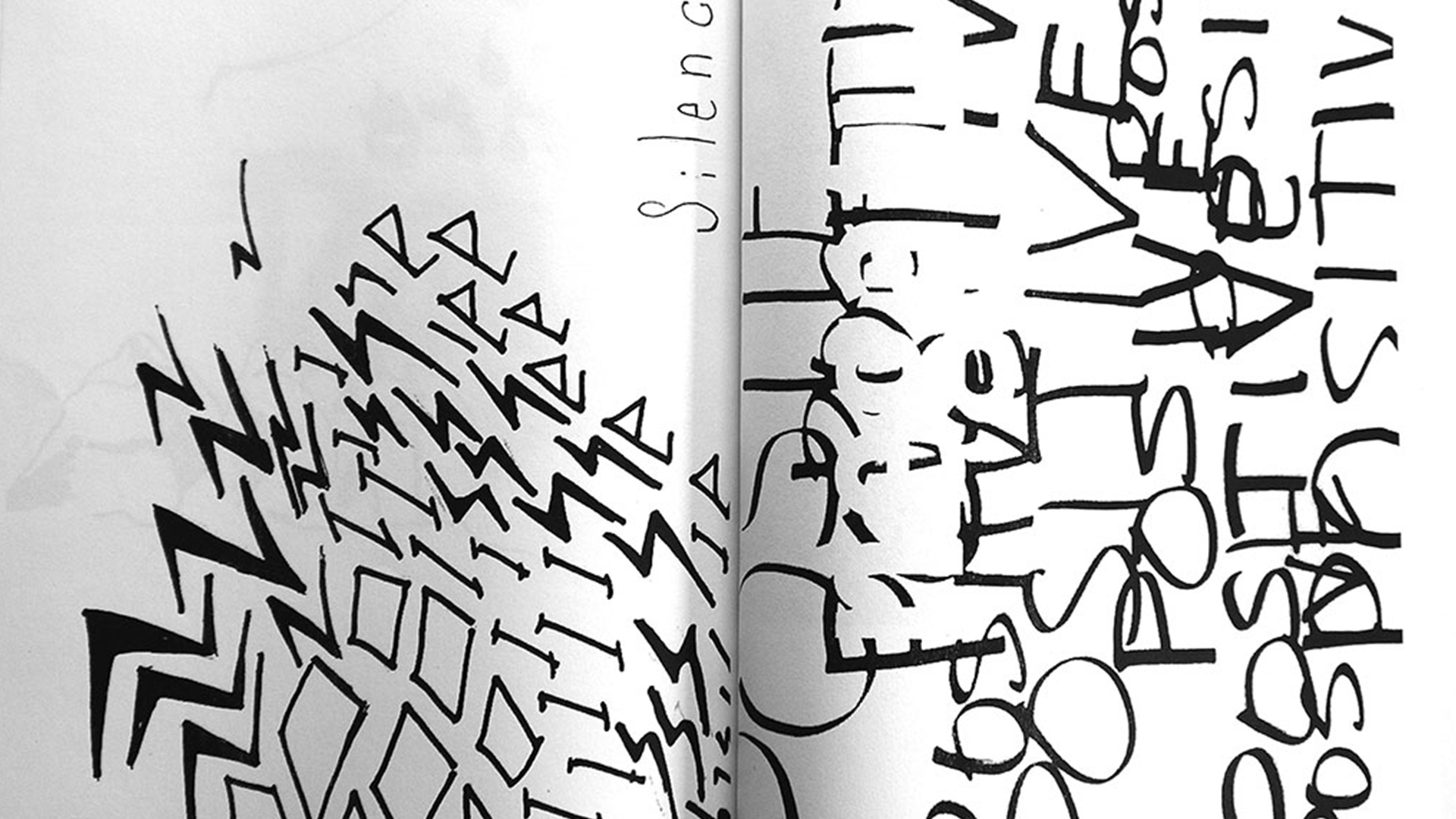
Recent highlights from across professional, academia, and research experiences.
| Felt Void | A collaboration with Omnivore designing and developing a brand and website for Felt Void, a platform for immersive audio and spatial sound—presenting listening experiences that let audiences hear music in three dimensions, together. | Professional | 2026 |
| CAZA Architects | A brand refresh and website rebuild for a Brooklyn-based design studio that creates concept-driven environments, buildings, and urban plans. | Professional | 2025 |
| First-Generation Experiences as Disruption of Innovation | A two-year research project captured in a published chapter uncovering first-generation experiences as disruption of innovation, and the innovative mindset for thriving in study abroad programs. | Academic | 2025 |
| VUCA: Humane Principles in Engineering | I had the honor of being selected as the plenary speaker for the education track at ASME IMECE unpacking the question, Why should engineering programs consider integrating humane design principles into their curriculum? | Research | 2024 |
| Oregon Climate Action Hub | Front-end Designer & Developer for the MVP release of the Oregon Climate Action Hub, a website dedicated to organizing collective climate action across the state of Oregon. | Professional | 2024 |
| ACIRAH.com | Front-end Web Developer for a website dedicated to developing a new paradigm of a healthcare ecosystem, bringing disease screenings and clinical trials to Black women across the US. | Professional | 2024 |
| Double-Edged Sword of Transformation | A solo exhibition of work featuring six audio tracks with complementary videos and large format prints exhibited in a solo exhibition at the Covert Gallery, University of Portland. | Research | 2023 |
| Integrating AI Tools into Design Curriculum | Recipient of the Shiley Research Grant Award to explore the integration and impact of AI tools into an interdisciplinary class of students and leveraging the maker space. | Research | 2021 |
| PIVI-Pro 16:9 Infotainment | As a Lead Product Owner and UX Strategist I contributed to the design and economic strategy of integrating a 16:9 layout of the PIVI Pro system. The initial rollout included the F-Pace '21MY, XF and E-Pace '21-22MY. | Professional | 2020 |
| Altering our perception of smartphones through noise: Introducing the affection research lab | Authored my graduate research with IEEE VISAP 2017. Baltimore, MD. | Research | 2017 |
View more: click here for my CV
Clients, collaborators, organizations, and institutions I've had the pleasure of working with over the last two and a half decades.